


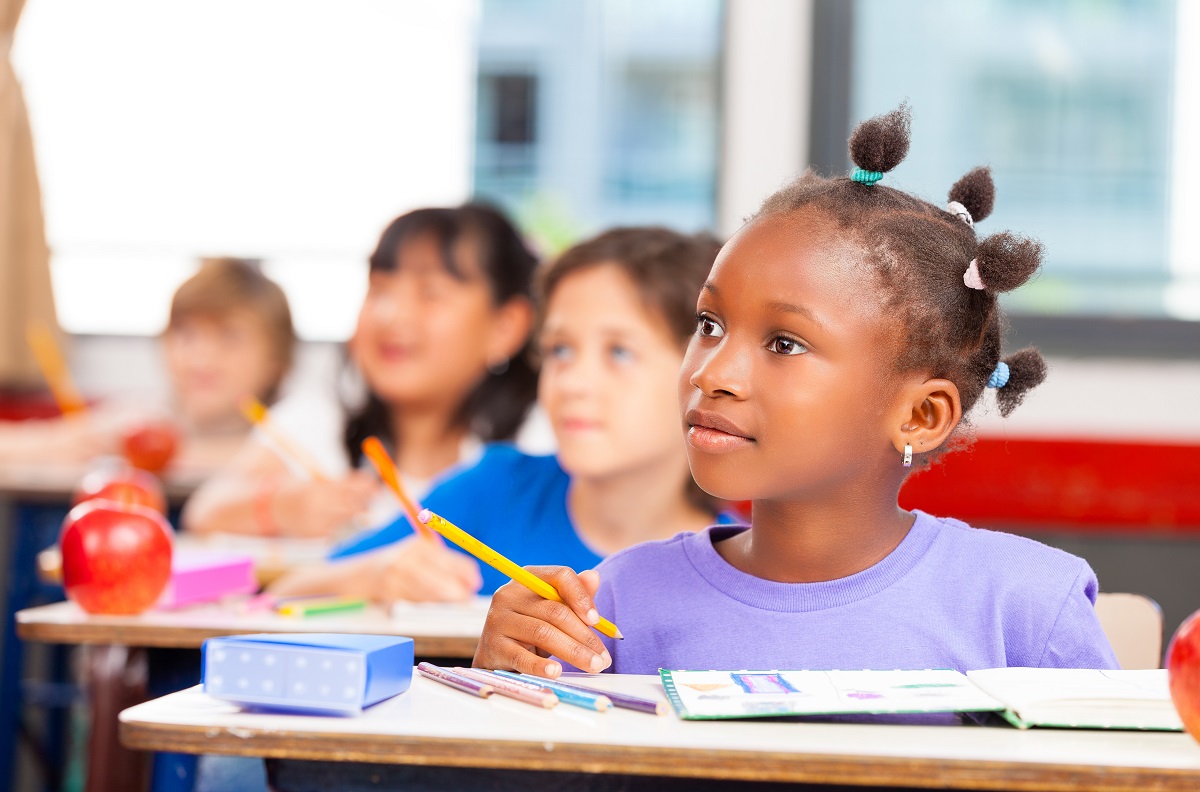
It is hard enough to keep your kids healthy during a normal year. To make it even more difficult, add a pandemic. The truth is that COVID-19 has not eliminated all normal illnesses. Here are some ways that you can help your children stay healthy this school year.
Wear a Mask
Many schools have made it a requirement that all grades wear masks and face shields. This is the best way to protect everyone. Many diseases are transmitted through the use of respiratory droplets. These diseases can be transmitted by coughing, sneezing, shouting, or even talking. Wear a mask when you go into public places. Masks come in many colors, prints, and patterns. Your child won’t be embarrassed to wear a mask that’s not cool.
Hand Wash
Hand washing is the best way to prevent illness. Washing your hands after eating, using the bathroom, or playing with friends is important. If you’re in a pinch, hand soap can be used. It should contain at least 70% alcohol.
An hand-sanitizer holder can also be useful for your child’s bag. You can attach the key ring to your bag’s zipper pull to ensure that your child always has a supply of hand sanitizer in case washing their hands is impossible.
Have Some Sleep
A good night’s sleep can improve your child’s physical and mental health. Poor sleep habits can cause poor concentration, depression, and injuries. Children should establish a bedtime routine so that they go to sleep at the same time every night. The anxiety caused by the pandemic will make many children feel more stressed, so it is important that this doesn’t disrupt their sleep. Talk to them about their worries, so they don’t think about them all night.
Boost Immune System
It is important to boost your immune system in order to keep your children healthy and free from sicknesses. You should encourage them to develop good sleeping habits.
- A balanced diet Ensure that your children eat healthy foods rich in vitamins, minerals, carbohydrates, fats, proteins, and other nutrients. Your children should eat whole grains, nuts and lean meats as well as eggs, milk, fruits and vegetables.
- Encourage your children to exercise Your kids will love to run, bike, play sports, walk, and cycle with you.
- Manage stress Your kids may face stress everyday, such as homework, tests, and social pressures. Learn how to recognize anxiety and stress in children and what you can do to help them manage it. You can show your children how to relax. You can teach your children things like taking a walk, playing board games, and writing in a notebook.
Offer a Healthy Breakfast
Breakfast is essential for school children. For school children, breakfast should include complex carbohydrates and protein to fuel their brains and give them energy throughout the day. Breakfast may help with memory retention and attention.
Encourage Touching Friends
Children love to hug, give high fives and even wrestle. Encourage elbow bumps and air hugs to discourage these behaviors. When walking through hallways, or playing on the playground, it is important to maintain distance. To keep the kids from tying their hands, limit playdates to a smaller number. Play outside as often as you can. Talk to your children’s friends about your rules. Explain why they shouldn’t hug or give fist bumps.
Keep Up-to-Date on Vaccinations
All vaccines should be current for children. It is important that everyone gets a flu shot this year. There are already too many COVID-19 patients in hospitals so adding more flu patients will not be a good idea. Vaccines are the best method to prevent disease spread.
Monitor Symptoms
Many people who have the coronavirus believe it is just allergies. Many people with the coronavirus believe they are just allergic to something. They don’t realize that they have a deadly disease and go to work or send their children off to school. Do not send your child to school if they have symptoms such as a cold or allergic reaction. This will keep your child safe and help them to recover. Make sure your child is not ill with fever for longer than one day before allowing them to go out in public.
Do Not Share
Your child should be aware that it is important to not share their water bottle or face mask. Although it might be fun to mix and match, they don’t want germs lurking in the belongings of others. They should not trade clothes at this point. Make sure they label all their belongings so that no one accidentally takes theirs. Your child shouldn’t touch their backpack, take out their lunchbox or drink from their water bottle.
The Last Words
Germs can be found everywhere. It’s unlikely that you will be able to keep your entire family healthy throughout the year. However, it is important to do all you can to ensure your family’s health. These guidelines will help you and your family fight the harmful bacteria and viruses that can affect their health.

