


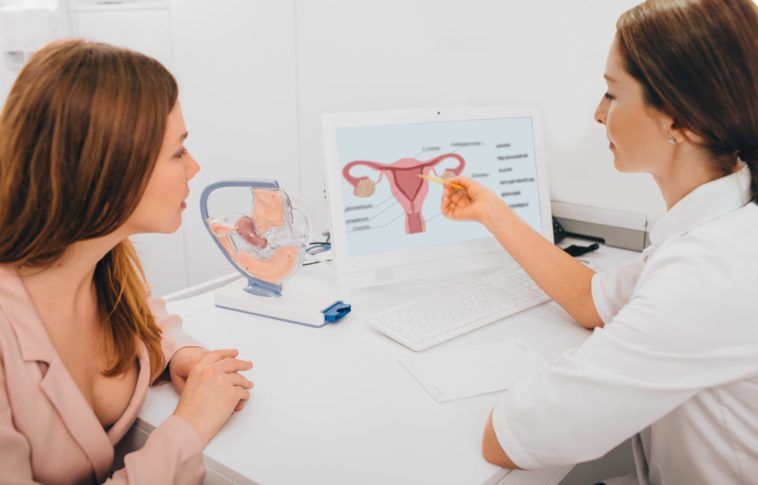
Many people believe that a gynecologist and an obstetrician are the same thing. They are not the same thing!
Both are female-focused medical doctors. However, their scope of practice and experience is vastly different.
It is important to know who to go to for specific issues or conditions, as women’s needs change throughout their lives. This article will discuss the differences between an obstetrician or gynecologist, their qualifications, what they do, and when patients should visit them.
Gynecology – The Science of the Female Reproductive System
Gynecology refers to the medical field concerned with the function and health of the female reproductive system. A gynecologist is a doctor who focuses on the care of a woman’s reproductive health, from her first period to post-menopause.

Procedures and Specializations for Gynecologists
Gynecologists specialize in treating any condition that affects the reproductive system.
They can diagnose and treat problems such as:
- Vaginal infections
- Uncontrollable menstruation
- Endometriosis is when the tissue lining your uterus grows outward.
- Conditions that can cause pain while having sex
- Problems with the tissues surrounding pelvic organs, such as muscles or ligaments
- Polycystic Ovarian Syndrome or PCOS
- Endometrial hyperplasia, which is the thickening of the uterus, and cervical dysplasia are both premalignant conditions.
- Incontinence fecal and urinary
- Sexually transmitted disease (STDs).
- Congenital abnormalities in the female reproductive system
- Breast and reproductive cancers
- Sexuality and sexual dysfunction
- Inflammatory diseases of the pelvic floor
- Behaviours of the reproductive system such as fibroids, ovarian cysts and breast problems, are all considered to be benign.
- Advocate for patients in safe sex practices
- Gynecology emergency care
A gynecologist can also offer advice regarding sexual matters, including contraceptives and sexually transmitted disease (STDs). A gynecologist will take care of any non-pregnancy concern that is related to the female reproductive process.
These are just a few of the many services offered by gynecologists. They also provide general and gynecological care for women, as well as preventive medicine and diagnosis and treatment for issues like mood changes, low back pain and acne. They also can treat:
- Diabetes
- Psychiatric conditions like personality disorders and depression
- Asthma
- Osteoporosis
- Domestic violence and sexual assault
- Thyroid problems and other hormonal issues
A gynecologist can perform common surgical and diagnostic procedures in the field of medical procedure. These include:
- Screening recommendations include pap smears and breast exams.
- Tubal ligations are a type of permanent birth control in which the fallopian tubes (or sex) are tied or cut.
- Hysterectomies are the surgical removal of the uterus and womb.
- Prolapse (falling forward or downward of the pelvic organs).
- Hysteroscopy (checking your uterus with an endoscope).
- Endometrial biopsy (taking a sample from the uterine liner)
- Colposcopy (microscopic examinations of the cervix).
- Major surgery, such as the removal or resection of fibroids from the uterus, is possible.
- Laparoscopy (keyhole surgical) is used for both diagnostic and surgical purposes.
- Postoperative care, including complication management
In order to protect against the cancer-causing HPV and other surgical conditions, gynecology may also offer HPV shots.
When to See a Gynecologist.
A yearly screening by a gynecologist and for any concerns regarding a woman’s reproductive system, such as pelvic pain, abnormal bleeding or itching, is recommended.
A gynecologist is able to treat any girl or woman at any age. Women should see a gynecologist as soon as they reach their teen years. A relationship with a female gynecologist is a great way to make a girl or a young woman feel more at ease asking questions about her reproductive system, including sexuality and menstruation.
A gynecologist can also guide patients’ long-term welfare by providing counseling on important health and lifestyle issues.
Obstetrics – The Science of Pregnancy & Childbirth
Obstetrics, however, is a sub-division of gynecology which focuses on pregnancy, childbirth and postpartum care. Obstetricians are gynecologists that also specialize in obstetrics. They deal with all aspects the female reproductive system, including prenatal and postnatal care.
Procedures and Specializations for Obstetricians
An obstetrician may offer fertility treatments, which can help women get pregnant. They will ensure that your pregnancy is healthy and that your baby is healthy. An obstetrician can also deliver babies, unlike gynecologists. An obstetrician can still provide care after childbirth and help you with postpartum depression.
Additionally, obstetricians have the ability to manage pregnancy and postpartum complications.
- Placenta problems include placenta accreta, where the placenta grows into the uterine wall and placenta prepvia (where the baby’s placenta completely or partially covers the cervical).
- When fertilized eggs implants are placed outside of the womb, it is called an ectopic pregnancy.
- Preeclampsia is a pregnancy complication marked by high blood pressure, damage to the organs and severe bleeding.
- Signs of fetal distress
- Cesarean delivery
- Hemorrhage after childbirth
- Sepsis and infections
- Recovering from childbirth
- Cardiovascular disease
Also, obstetricians might perform different surgeries from gynecologists. An obstetrician can perform the following:
- Curettage (removal of tissue from the uterus).
- Delivery by cesarean or vaginal delivery
- Cervical cerclage (single-stitch closure of the cervix).
- After birth, circumcision of male babies
- Delivery of Episiotomy Vacuum & Forceps
An obstetrician might order tests for high-risk pregnancies.
- Laboratory testing for a variety conditions
- Ultrasound
- Measurement of the cervical length to assess preterm labor risk
- Cordocentesis (umbilical Blood Sample)
- Biophysical profiling
- Amniocentesis: This is the process of determining the baby’s sex and identifying genetic abnormalities.
- Laboratory testing to measure fetal fibrin (for predicting the possibility of premature birth)
Obstetrics, a medical specialty, is often combined with gynecology to form the discipline obstetrics & gynecology.
OB-GYNs can choose to specialize in a variety of areas. While some professionals are only qualified to provide obstetrics or pregnancy care, others specialize in gynecology and the delivery of babies.
Some obstetricians may even specialize in a specific area of medicine. They may be able to deliver their next baby via vaginally after a cesarean, or they might specialize in vaginal births following cesarean (VBAC).
When to See an Obstetrician
If you’re pregnant, or thinking about becoming pregnant, it is important to schedule an appointment with an obstetrician. You will receive prenatal care as well as help with planning your pregnancy.
If you are a high risk pregnancy then you will be more likely to see your obstetrician regularly. You can also make regular appointments for your pregnancy.
- Ultrasound scans and run tests
- Discuss your concerns about pregnancy and childbirth with your doctor
- Take care of your health and that of your baby
- Discuss any lifestyle changes you think are necessary.
Some obstetricians are also able to deliver babies. Your obstetrician might also be present during childbirth. They will check on you and your baby during labor, give birth, and handle any problems. They can also perform any special operations or procedures that are required.
It is recommended that you continue to see your obstetrician after childbirth for your postnatal care. You can:
- Ask for clarification about anything that occurred during pregnancy or childbirth
- Discuss birth control options
- You should follow up on any medical issues that you might encounter during pregnancy
- Keep your vaccines current
- Talk about issues you might experience as a mother, or concerns regarding postpartum stress and Depression.
Obstetrician vs. Gynecologist: Qualifications
All gynecologists need to first complete medical school. They must be licensed to practice as fully-trained doctors.
To become a gynecologist one must have a bachelor’s degree and then complete four years of medical school to become either a doctor of osteopathy or a doctor of medicine (MD). After that, they need to complete a four-year obstetrics-gynecology residency program.
Specialists in gynecology will be more focused on special training such as:
- Genetic counseling and genetic counseling
- Women should be screened for cancer
- Patients or care
- General health of females, including reproductive system and breast health.
- Treatment of hormonal issues and female reproductive disorders.
- Training in surgical techniques to correct the female reproductive system
On the other hand, obstetricians spend their time responding to births and pregnancy emergencies. A professional should pass the specialty board exam after completing their residency.
Doctors must also meet licensure requirements. This usually means that they need to complete certain continuing education credits each year. Many gynecologists and obstetricians are active and engaged members of their profession, with additional qualifications.
Others publish research and comment on academic publications of other medical professionals. Some are also responsible for teaching or supervising residents at medical schools. Some also speak at professional conferences or provide support to patient or consumer organizations.
Conclusion
Now you should be able to distinguish between a doctor and a gynecologist. One doctor can be both a gynecologist or an obstetrician. However, one cannot be an obstetrician if you are not a gynecologist.
Both gynecologists as well as obstetricians are specialists in female reproductive systems. An obstetrician is more concerned with pregnancy and postpartum care. A gynecologist can be seen as soon as you have your first period, but an obstetrician can only be seen during pregnancy or when you are planning to become pregnant.

